
12 of Southern California's Strangest Forgotten Places
Southern California’s familiar streets hide surprising chapters. These preserved museums, historic grounds and a working cemetery tell stories of migration, music, loss and rescue. “Forgotten” describes their overlooked histories—not an invitation to enter abandoned buildings.
Public visitor areas only. Some sites require tickets or appointments; one offers exterior viewing only. Follow current operator guidance and never enter closed spaces.
01 / San Diego (Old Town), California
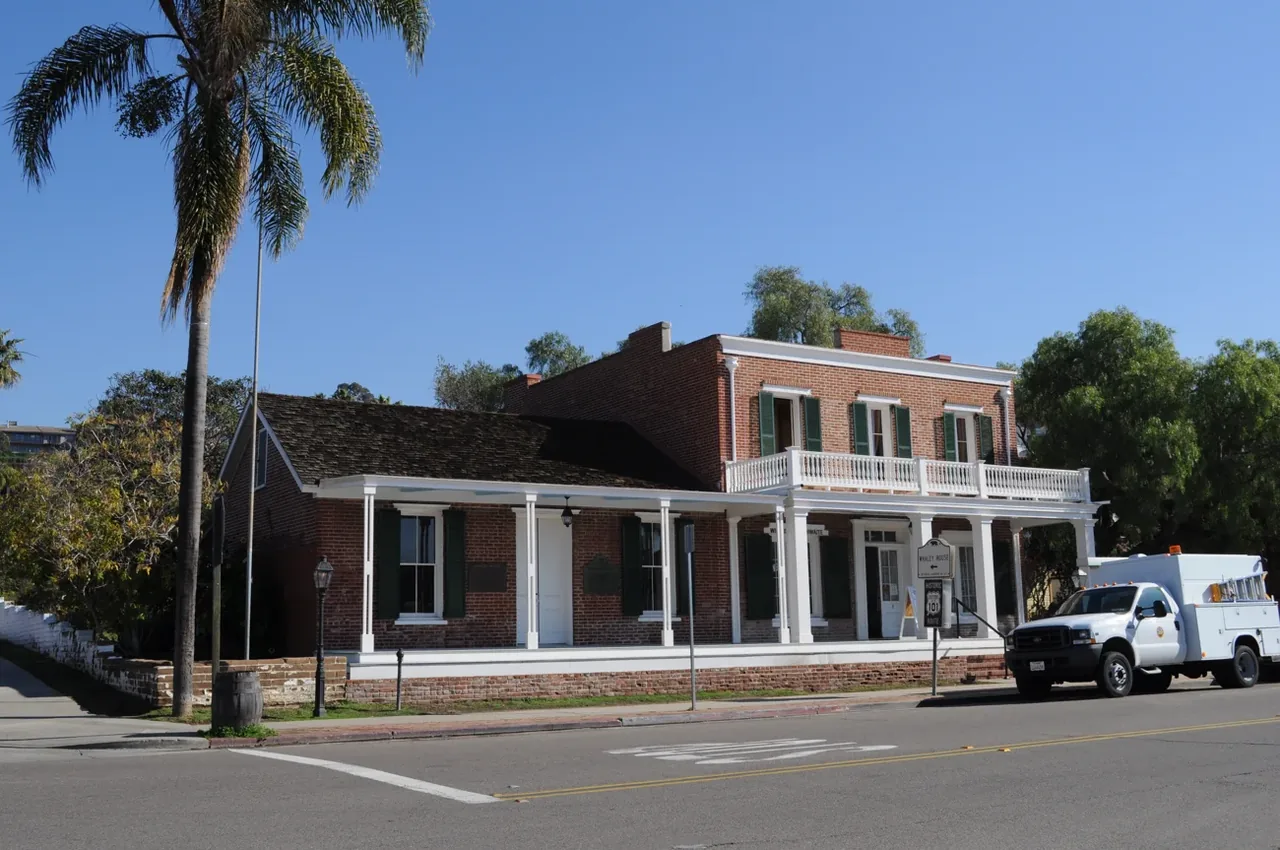
Whaley House
Behind Whaley House’s ghost-tour reputation lies a compact history of Old Town: an 1857 brick home that also held a store, courthouse and San Diego’s first commercial theater. Preservation brought it into museum life in 1960. Stories of nighttime footsteps and family spirits remain attributed haunting traditions, not established supernatural evidence. Today’s operating museum preserves these overlapping chapters rather than an abandoned ruin.
Visiting: Ticketed public museum; daytime visits are self-guided. Reserve evening tours, observe restricted rooms, and confirm current availability and accessibility with the operator.
Sources: Save Our Heritage Organisation: History of a Pioneer Family — The Whaleys · Whaley House operator: Attributed haunting stories and evening tour restrictions · Whaley House operator: Current museum tickets and tour options
Photo: Joe Mabel / CC BY-SA 3.0 · Photograph date: 2010-01-28 · Image credits
Read the full history →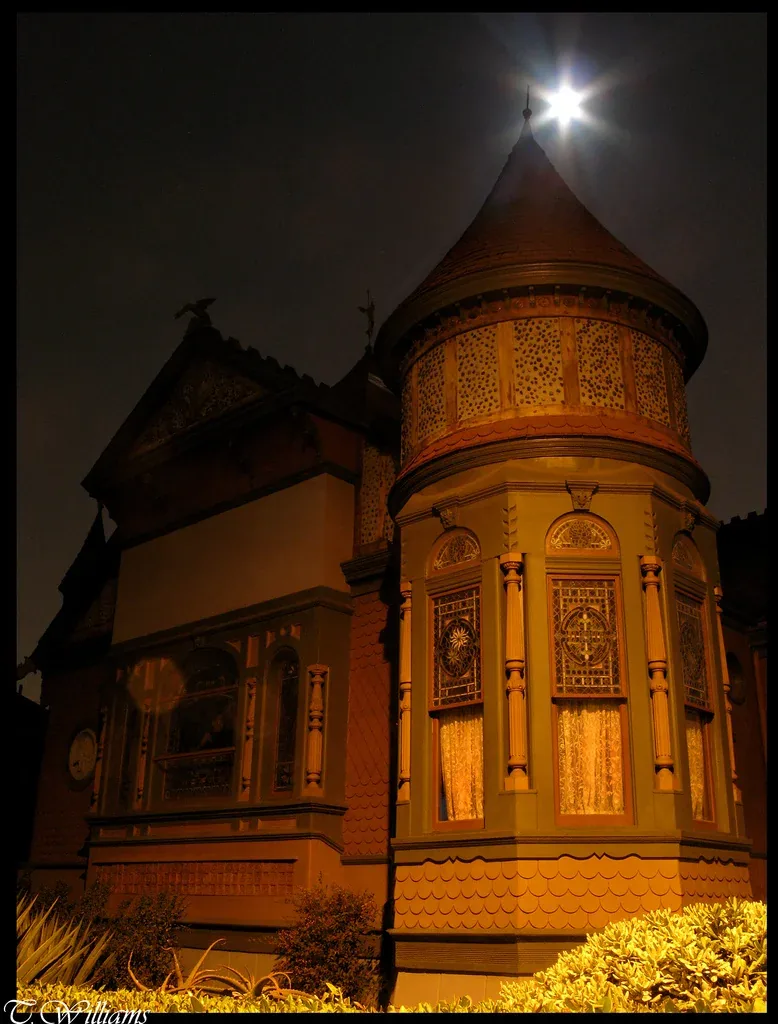
02 / San Diego (Sherman Heights), California
Villa Montezuma
Colored glass and musical history give this 1887 house in Sherman Heights its unusual character. Built for pianist and writer Jesse Shepard, Villa Montezuma hosted invited musical evenings before preservationists saved it from demolition in the 1960s. Stories of financial ill luck are disputed folklore, not evidence of a curse. Today, guided museum tours continue during restoration.
Visiting: Guided Saturday–Sunday tours by advance reservation during restoration; confirm availability. Grounds require operator authorization; no interior photography or recording, and no paranormal investigations.
Sources: Clare Crane, Jesse Shepard and the Villa Montezuma, Journal of San Diego History, 1970 · Save Our Heritage Organisation: Villa Montezuma · Villa Montezuma Museum: current 2026 tours and restrictions
Photo: Timm Williams / CC BY 2.0 · Photograph date: 2007-10-24 · Image credits
Read the full history →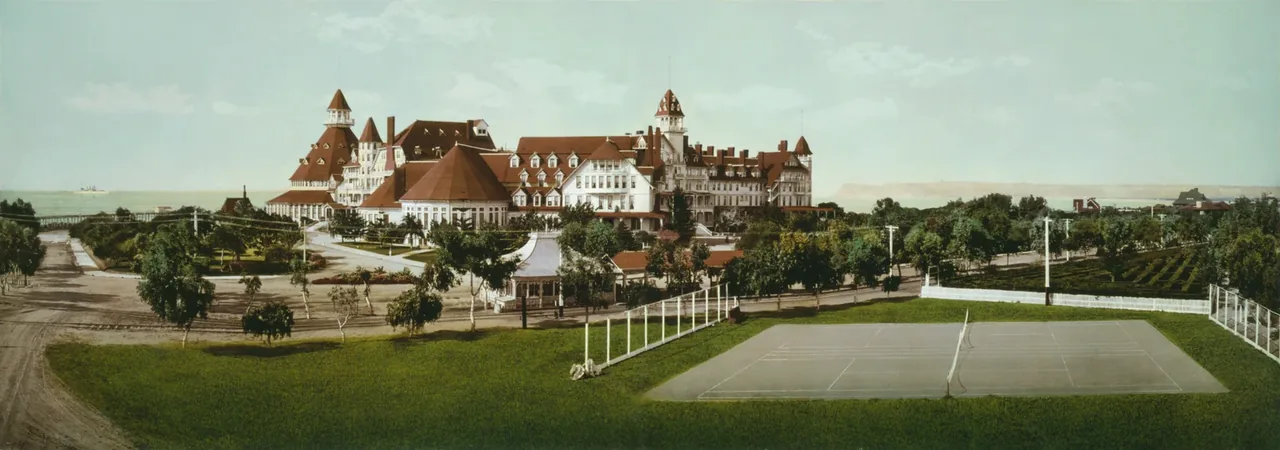
03 / Coronado, California
Hotel del Coronado (Kate Morgan legend)
Hotel del Coronado is no abandoned ruin: its restored 1888 entrance veranda and recovered Coronation Window reveal a Victorian resort's preservation story. The hotel's Haunted Happenings Tour retells the Kate Morgan legend, but stories of her lingering spirit remain folklore, not verified supernatural events. Explore that history through the Ice House Museum or hotel-authorized tours, not private guest corridors.
Visiting: Operating hotel: day visitors welcome for public dining and activities. Confirm and reserve authorized tours; guest-room areas are restricted to overnight guests, and unauthorized tours are prohibited.
Sources: Save Our Heritage Organisation — Hotel del Coronado, 2022 Preservation Project of the Year · Hotel del Coronado — Ice House Museum and Tours · Hotel del Coronado — Frequently Asked Questions
Photo: William Henry Jackson / Public domain (US) · Photograph date: circa 1900 · Image credits
Read the full history →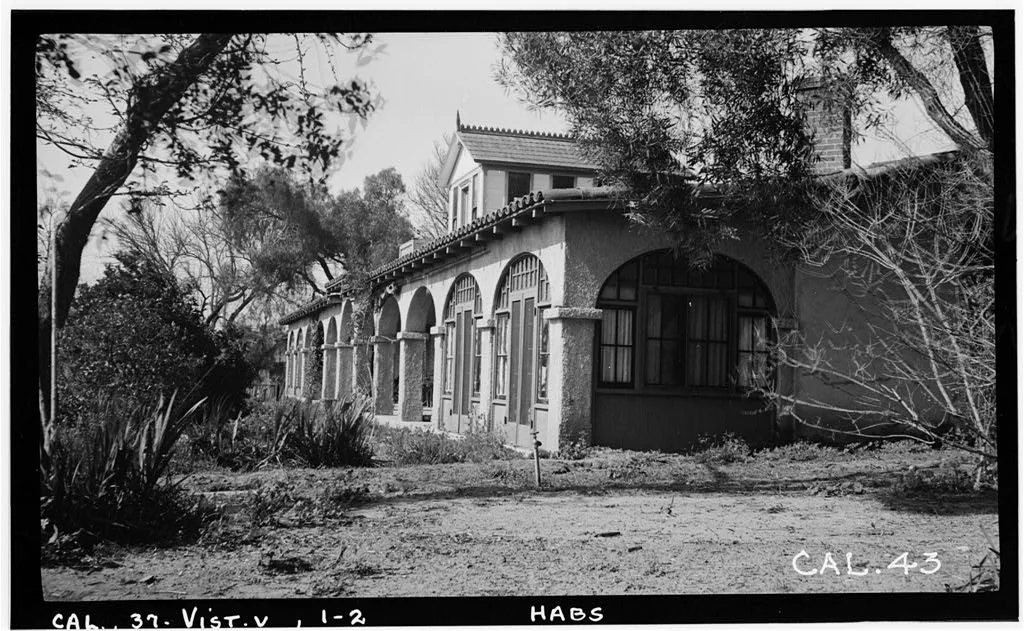
04 / Vista, California
Rancho Guajome Adobe
Rancho Guajome Adobe’s 28 rooms, two courtyards and chapel preserve a complicated ranching past. Its construction and operation depended on Luiseño labor that The Cultural Landscape Foundation describes as indentured. Now a public county museum rather than an abandoned ruin, it preserves architecture and unequal history. Haunting stories—including reports of crying near the chapel—remain attributed folklore, not verified supernatural events.
Visiting: Public county museum; self-guided visits during posted museum hours. Guided tours require advance appointment. Confirm current hours and admission with the County; use only public visitor areas.
Sources: Rancho Guajome Adobe — official County of San Diego visitor information · Rancho Guajome Adobe County Park — The Cultural Landscape Foundation · Rancho Guajome Adobe — HauntBound, attributed folklore only
Photo: Henry F. Withey / Public domain (US) · Photograph date: 1936-11 · Image credits
Read the full history →05 / Campo, California
Gaskill Brothers Stone Store, Campo (1875 border raid history)
Campo’s surviving stone store preserves a border-town story with a crucial twist: the December 1875 raid struck the Gaskill brothers’ earlier frame store and blacksmith shop, not this building. The sturdier replacement dates to 1885 and now operates as a museum. Published accounts disagree on some deaths and gunfight details; preservation keeps the history visible without turning uncertain casualty stories into settled fact.
Visiting: Public museum only; typical weekend hours are 11 a.m.–4 p.m., weekdays by appointment. Confirm opening and follow closure notices. Neighboring properties and alleged burial/hanging sites are excluded.
Sources: Campo Stone Store Museum, San Diego County Parks · Campo, California: A Brief History, Russell F. Kimball, Pacific Southwest Railway Museum Association · Luman Gunfight at Campo, Jeff Smith, San Diego Reader, July 24, 2003
Read the full history →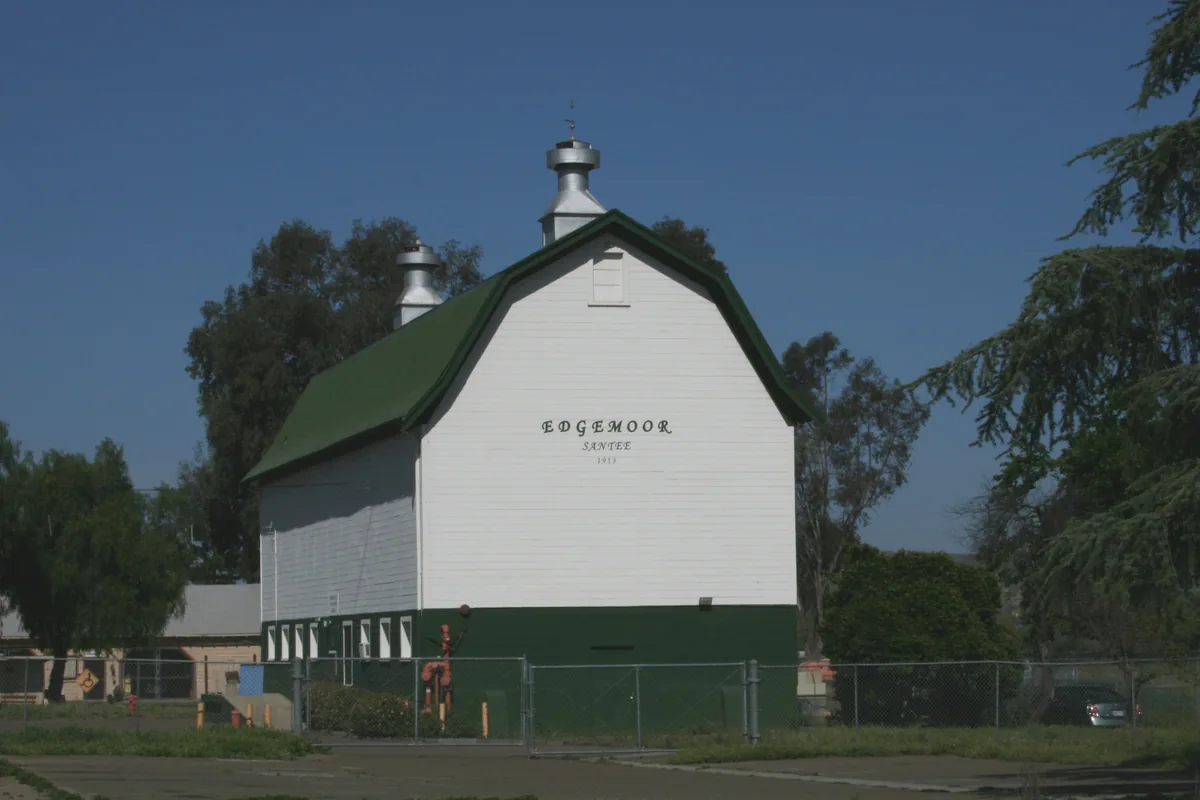
06 / Santee, California
Edgemoor Farm Dairy Barn, Santee
Edgemoor’s “Polo Barn” hides a twist: this 1913 gambrel-roofed building housed prize dairy breeding bulls, while the pony stables stood elsewhere. The county farm later became a care institution, but this barn served as storage, not hospital wards. Today it preserves Santee’s past as a local-history museum. Reported whispers and footsteps belong to attributed paranormal anecdotes, not proof of haunting.
Visiting: Museum only, on limited opening days; confirm with the Historical Society. Former hospital buildings and neighboring institutional property are not included.
Sources: National Register nomination — Edgemoor Farm Dairy Barn · Santee Historical Society via Patch — Is Santee's Edgemoor Barn Haunted, 2012 · Santee Historical Society — current visitor information
Photo: Somewikistuff / CC BY-SA 3.0 · Photograph date: 2009-04-12 · Image credits
Read the full history →07 / Rancho Cucamonga, California
María Merced Williams & John Rains House (Casa de Rancho Cucamonga)
Flowing water beneath this 1860–1861 brick ranch house helped cool its rooms. Its quieter story belongs to María Merced Williams and her struggle for control of her property. Vacancy and vandalism later threatened the house, but community preservation efforts led to county acquisition in 1971. Now a public museum, its 2022 renaming restored Merced’s name to a history often centered on her husband’s death.
Visiting: Free public museum during confirmed opening hours. Call 909-798-8608: posted hours conflict and holiday, heat or other closures—including notices without a year—may apply. Group tours require appointments; no after-hours access.
Sources: San Bernardino County Museum — María Merced Williams & John Rains House: current access and site history · Cecilia Rasmussen, Los Angeles Times — Greed, Violence Haunted Wealthy Heiress, 18 February 2001 · National Register nomination — John Rains House, Gerald A. Smith, 2 June 1972
Read the full history →08 / San Juan Capistrano, California
Garcia-Pryor House (O'Neill Museum), San Juan Capistrano
Not every piece of San Juan Capistrano's past is adobe. Dated to 1870–1880, the Garcia-Pryor House is one of the town's first frame houses. Donated in 1976, then relocated and restored, it survives as the O'Neill Museum and local archive. The Historical Society recounts a porch-sitting, cigar-smoking ghost attributed to Albert Pryor—a tenant legend, not verified history.
Visiting: Public museum; confirm published hours with the Historical Society before visiting. Stay within open visitor areas; neighboring homes, closed areas and the railroad are not included. Follow official visitor directions.
Sources: San Juan Capistrano Historical Society — O'Neill Museum: house history and attributed folklore · San Juan Capistrano Historical Society — official visitor information and museum hours · San Juan Capistrano Historical Society — official contact and public museum address
Read the full history →09 / City of Industry, California
Workman House, Homestead Museum
An 1842 adobe wearing the later appearance of an English manor house, Workman House holds more than a rancho family's story. The property passed through military-school and convalescent-hospital uses before city acquisition and restoration brought the Homestead Museum's 1981 opening. Today, guided visits reveal preserved layers of Southern California history—not an abandoned residence or a site with an asserted haunting.
Visiting: House entry is by museum-guided tour only, with limited first-come capacity. Confirm the operator's current schedule before visiting; older city/blog schedules differ.
Sources: California Office of Historic Preservation — Workman Home and Family Cemetery, landmark 874 · National Park Service — Workman and Temple Family Homestead Museum · Homestead Museum — current museum information and tour restrictions
Read the full history →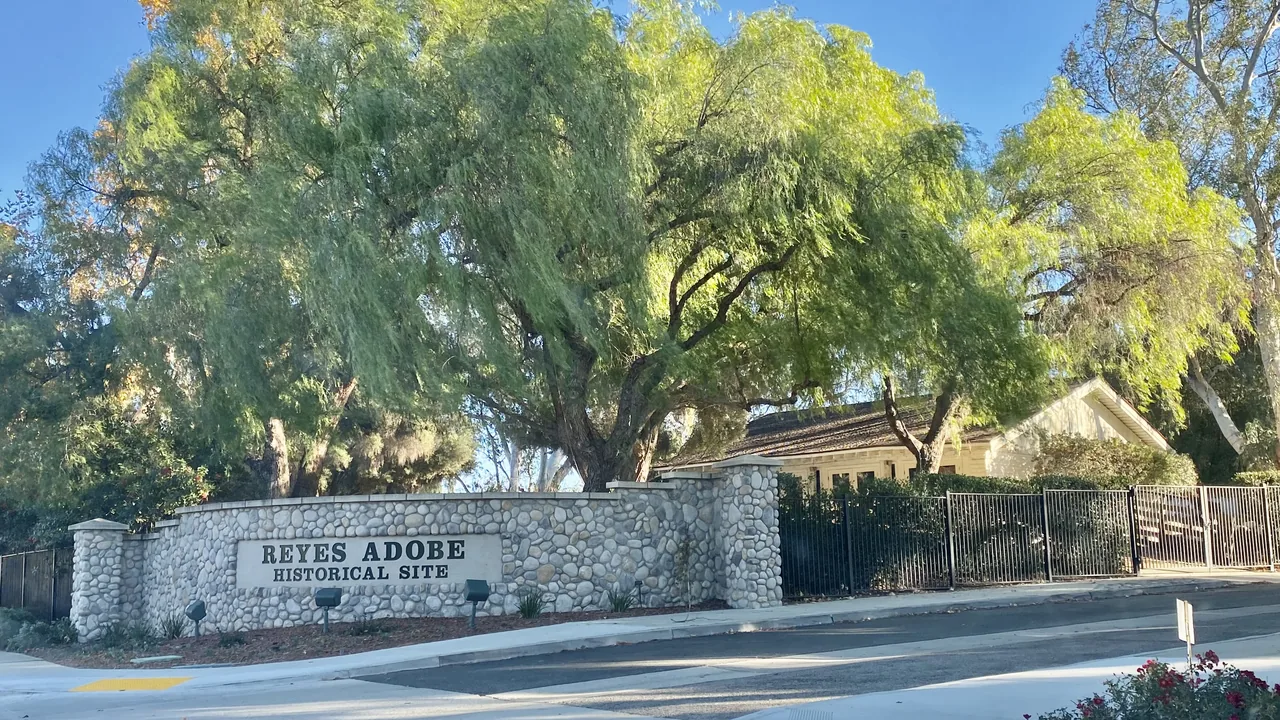
10 / Agoura Hills, California
Reyes Adobe Historical Site, Agoura Hills
Reyes Adobe preserves a rancho-era family home that the city dates to about 1850. Earthquake damage delayed its public opening until restoration brought visitors through the doors in 2004. Its strangest story—a bandit supposedly killed and buried here—comes from ghost hunter Richard Senate’s retelling, without documentary evidence. This city-run historical museum is a story of preservation, not abandonment.
Visiting: Self-guided tours on limited public opening dates; confirm with the city because winter schedules and weather closures apply. Enter only during authorized openings or arrangements; do not dig or search for the alleged burial.
Sources: Reyes Adobe Families — City of Agoura Hills · Hometown haunts — The Acorn, October 31, 2013; attributed folklore · Reyes Adobe Historical Site — City of Agoura Hills, current visitor information
Photo: Jengod / CC BY-SA 4.0 · Photograph date: 2022-11-24 · Image credits
Read the full history →11 / Santa Clarita, California
Newhall Ranch House, Heritage Junction
This Victorian ranch house reached Heritage Junction in two sections over two nights in August 1990, after a narrow bridge complicated its rescue. Its earliest construction date remains uncertain; the larger house took shape in the 1890s and housed a ranch foreman and visiting company officials. Today, its exterior offers a preserved fragment of ranch history, not an abandoned building.
Visiting: Exterior viewing only during public History Center grounds access. Confirm hours with the operator because posted schedules differ; interior hours are not listed for this house. No unauthorized entry or investigations. Follow official venue guidance.
Sources: Santa Clarita Valley Historical Society — Visit the Santa Clarita History Center at Hart Park · Los Angeles Times — When Historic Buildings Move, The Buzz Can Be Quite Loud, August 18, 1990 · Santa Clarita Valley Historical Society — Current grounds and named interior hours
Read the full history →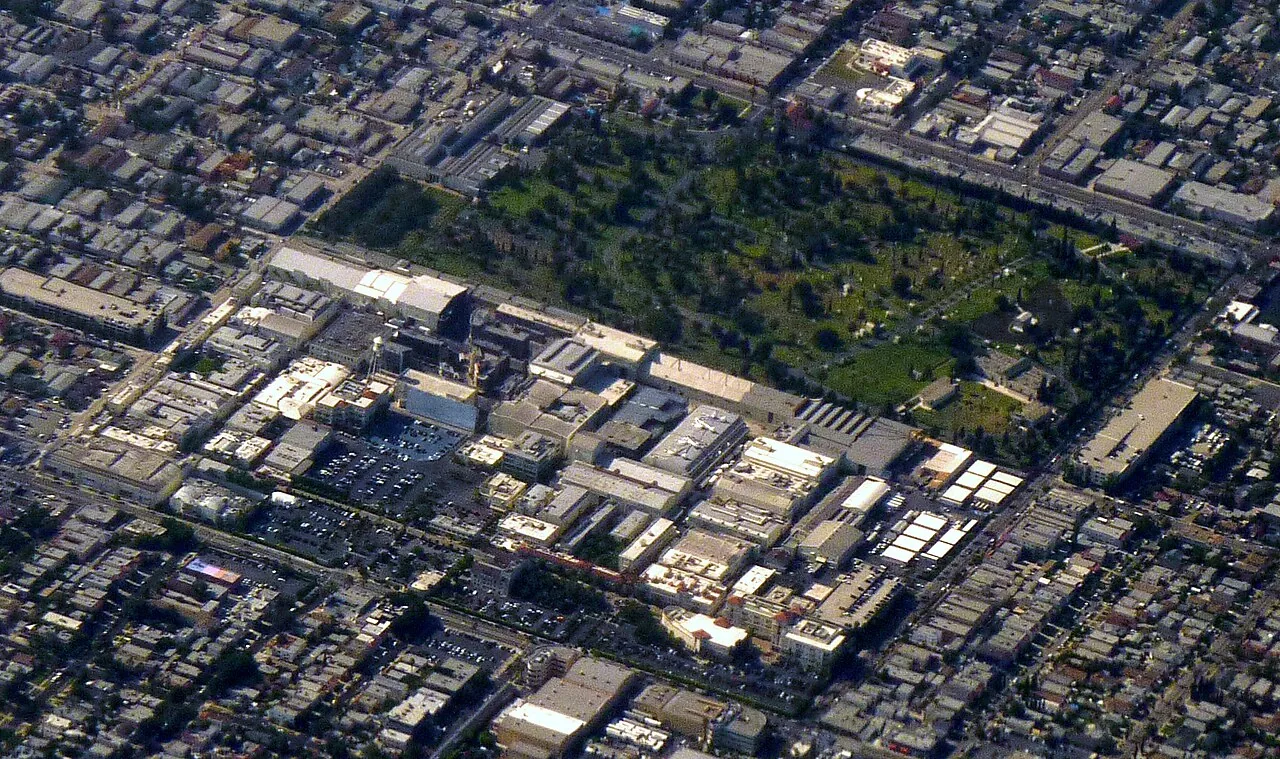
12 / Los Angeles, California
Hollywood Forever Cemetery
Behind Hollywood Forever's famous names lies a less celebratory history. Founded in 1899, this working cemetery declined before restoration began under new ownership in 1998. Its 1999 cenotaph honors Hattie McDaniel, refused burial here in 1952 under a racially discriminatory policy; it is not her grave. Preserved grounds now host films and concerts alongside continuing cemetery services.
Visiting: Public visitors welcome; confirm hours with the operator because official pages differ. Mausoleums have separate hours; Beth Olam closes Saturdays and Jewish holidays. Respect funerals and posted decoration rules. Cemetery access does not include cultural-event admission.
Sources: Discover Los Angeles — Hollywood Forever: The Story of an LA Icon · Hollywood Forever — About: history, services and cultural events · Hollywood Forever — Contact, address and detailed visitor hours
Photo: Bobak Ha'Eri / CC BY-SA 3.0 · Photograph date: 2009-07-27 · Image credits
Read the full history →